

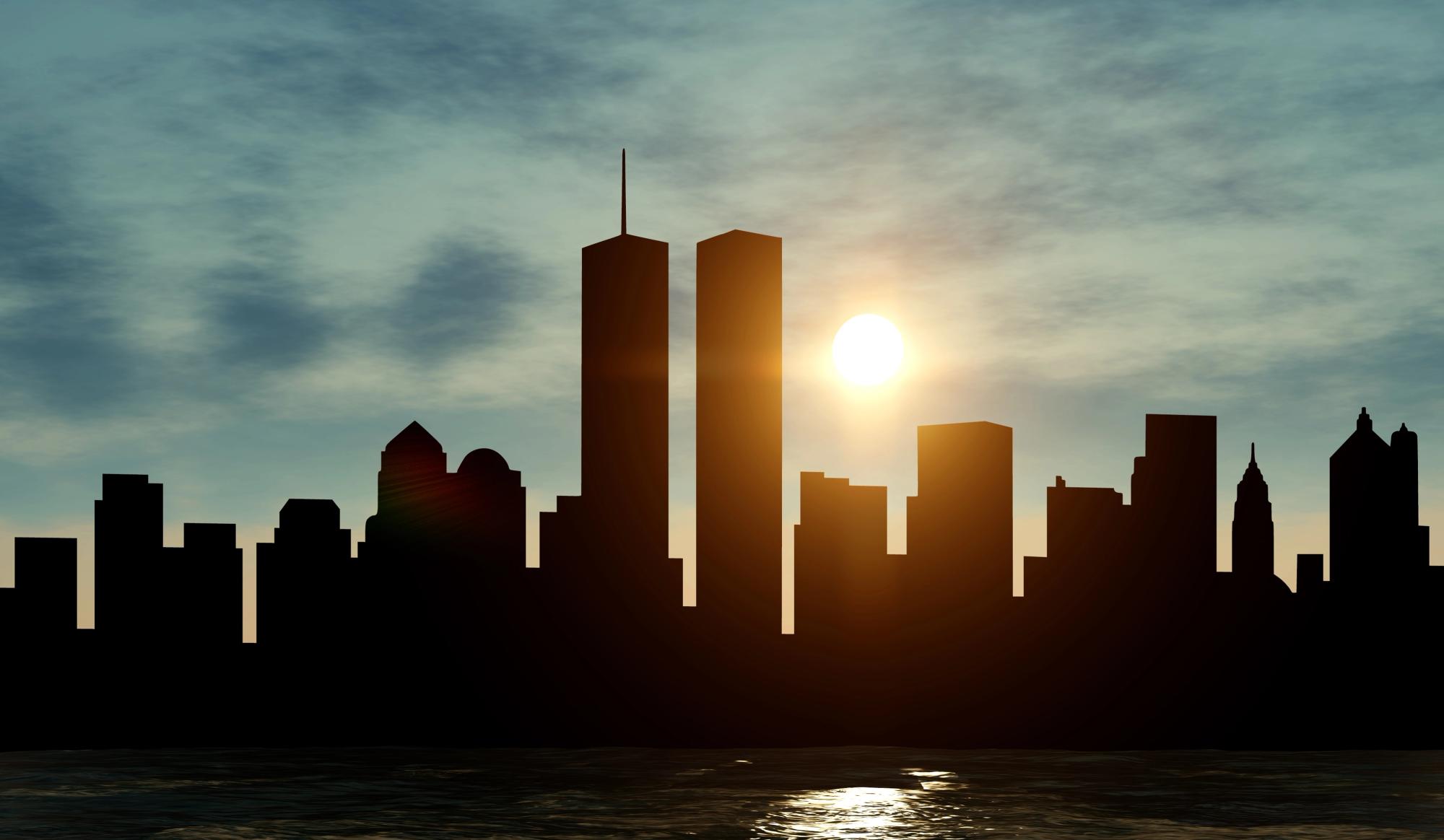
I write this the day before the 25th anniversary of the September 11 attacks on our country. Each of us that is old enough has our own memories of it - where we were, what we were doing, maybe family or friends that were endangered or lost. We also have memories of how life was different before that awful day.
Immediately afterwards, once the shock wore off, there was anger, sadness, fear, grief, and other emotions that the attackers hoped they would produce in all of us when they devised their evil scheme.
But that was followed by something we thought we were losing or had lost - a swelling of pride and unity, and a resolve to keep it from happening again.
In retrospect, for some it seems easy to prescribe what should have been done to prevent the attacks. But as someone who remembers, the idea that someone would hijack a commercial jet to use as a missile, rather than as leverage to bargain for something like so many previous hijackers, was unthinkable before that day. It's possible, I guess, that intelligence and crime prevention professionals imagined it, but the probability was low enough that we did not, in fact, prevent it. It was stunning.
And it was certainly a disruption, in so many ways. Have we learned much about dealing with unthinkable disruptions? We've sunk a lot of energy and money into changes in the way we think about preventing and recovering from them. But how do you really prepare for the unthinkable?
The COVID situation doesn't really qualify as unthinkable, but it was as big a disruption as you could imagine. In the ensuing years we are as divided as ever.
Pendant wasn't to come into existence for several years from the time of the attacks. Pendant was born into a world that was much changed from the one that existed on September 10, 2001, one that is more conscious of disaster recovery plans and safety policies and procedures. Anyone that traveled by air before and after knows how greatly the security systems at airports changed, and how that same mentality affects other parts of our day to day existence.
I believe that the most resilient companies were the ones that cared the most about their people, and drew the best out of each of them. They weren't necessarily the ones that had the best prior plans for dealing with disruptions. Instead, they were the ones that adapted more nimbly and faster, because they had people that were committed to it, and leaders that had the humility to know that they didn't have certainty, but did have the courage to make decisions with transparency.
We try to take the lessons seriously. Check out our "About" page and our values:
You'll see things there like humility, commitment, trust, optimism, and hunger. We measure ourselves and our entire team by these values and how consistently we live up to them.
There are unthinkable disruptions to come. We don't know what they will be, nor when they will come. But we believe our team will handle them.
God bless the memory of all the victims of the September 11 attacks.